
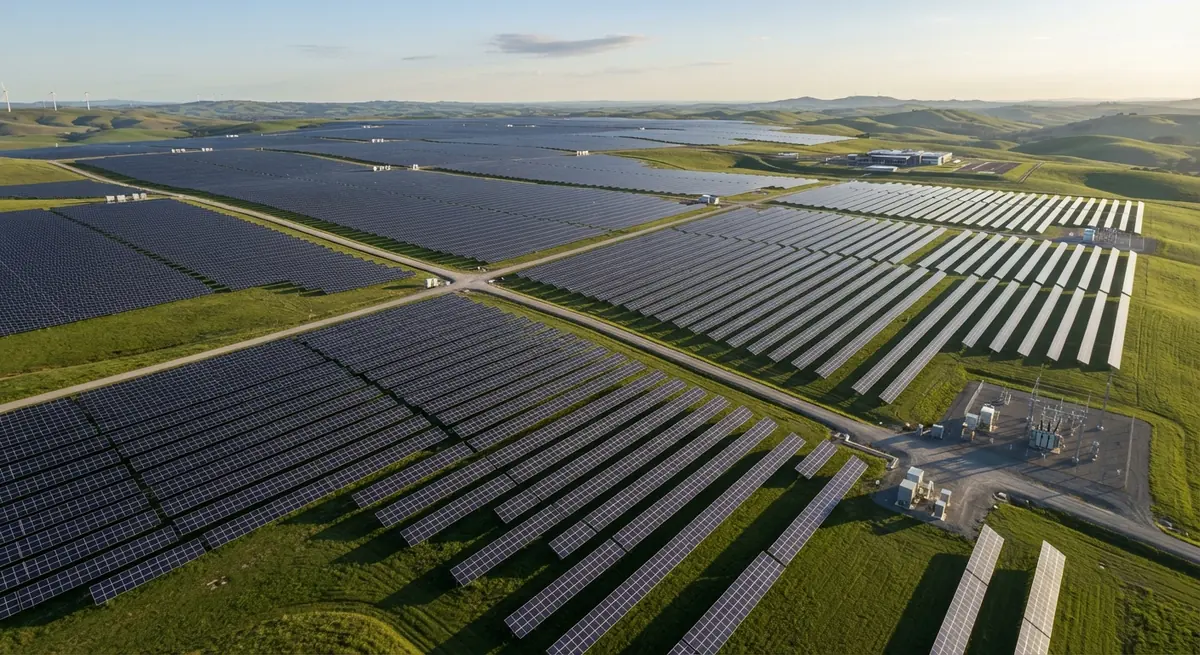
Solar farms represent massive capital investments. When a 40 MW array underperforms, the financial losses compound daily. Yet, many operators rely on manual inspections or wait for catastrophic failures before taking action. Aerial thermographic inspections change this paradigm.
The silent threat: Cell-level hotspots
Not all defects are visible to the naked eye. A cracked cell or a malfunctioning bypass diode can create localized heating—hotspots—that degrade the module rapidly. Utilizing radiometric thermal sensors, we capture exact temperature data per pixel. This allows us to identify anomalies long before they cause a string to disconnect or a fire risk to develop.
"Early detection of PID (Potential Induced Degradation) and bypass diode failures can recover up to 5% of a solar farm's energy yield—translating to millions of dollars over the asset's lifetime."
Beyond pretty heat pictures
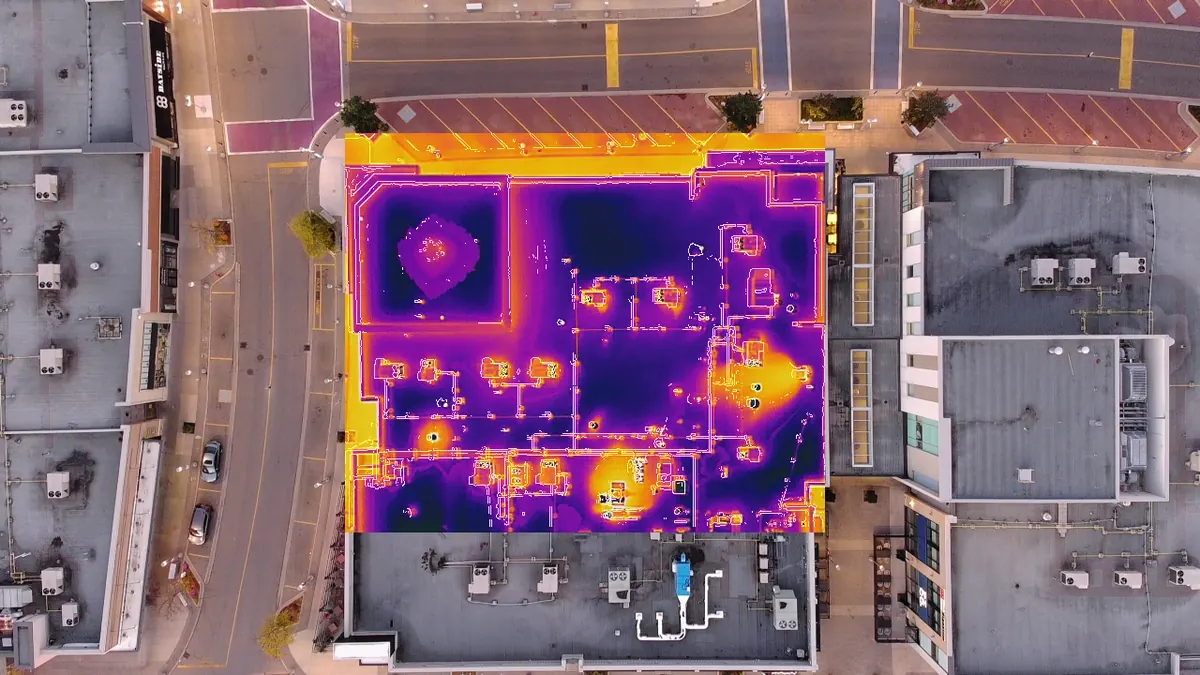
Many drone operators provide thermal imagery, but without radiometric data and Level II thermographer analysis, it's just a heat map. At Utilisight, our analysts classify severity thresholds instantly using calibrated data, ensuring your maintenance teams are directed only to actionable, priority-ranked defects with a false-positive rate of under 2%.
The Utilisight advantage
From flight planning to digital delivery, our 4-step workflow ensures you receive structured reports (PDF, CSV, GeoTIFF) within 48–72 hours. Every finding is GPS-tagged, allowing your ground crews to go directly to the affected panel without guessing.
Don't let invisible faults drain your energy production. Secure your assets with Ontario's leading energy-focused drone inspection team.